

The Post-Weight-Loss Playbook
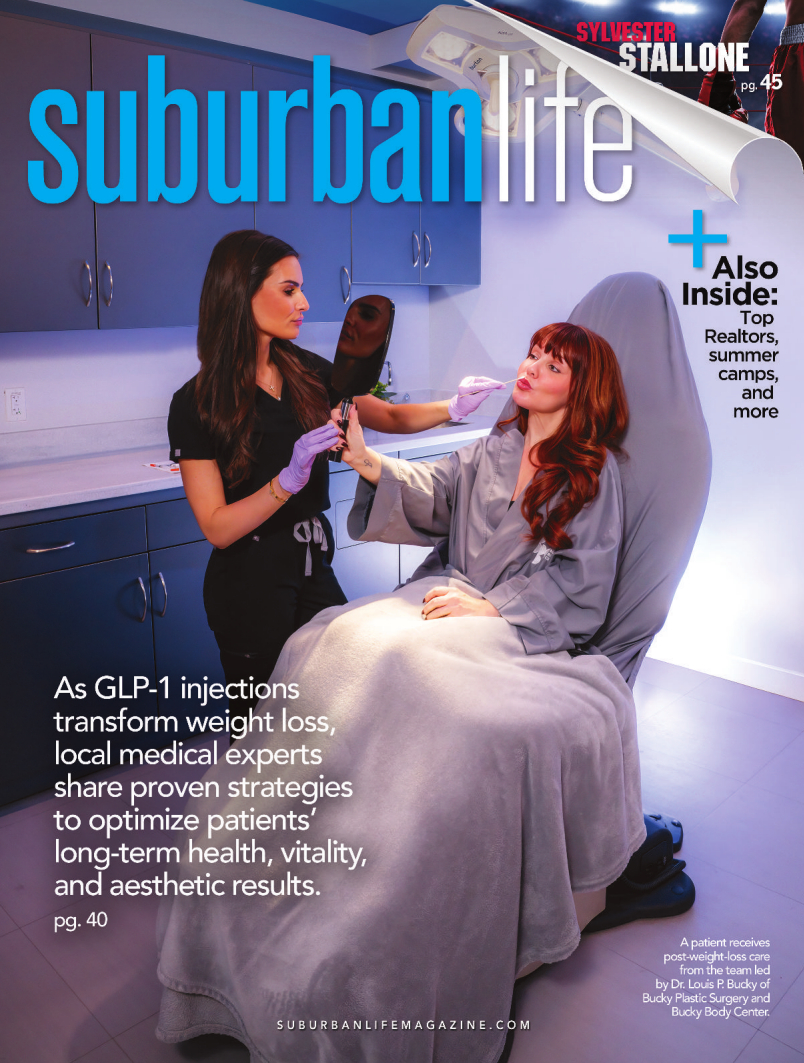
As GLP-1 injections transform weight loss, local medical experts share proven strategies to optimize patients’ long-term health, vitality, and aesthetic results.
Once used primarily to treat diabetes, GLP-1 receptor agonists are rapidly reshaping the landscape of weight loss and chronic disease management. By curbing appetite and slowing digestion, these injections help patients lose significant weight while also lowering blood pressure, stabilizing blood sugar, and reducing inflammation. Researchers are now studying their potential in treating conditions ranging from heart disease to addiction, fueling claims that GLP-1s may be among the most consequential medications of the decade—even “miracle drugs.”
Their immense popularity reflects that promise. The number of Americans receiving weight-loss injections more than doubled during the 18-month period ending in late 2025, according to the Gallup National Health and Well-Being Index. During that same period, the U.S. adult obesity rate declined to 37 percent, down from 39.9 percent three years earlier.
While the weight unequivocally comes off, aesthetic changes to the face and body tend to accompany the weight loss. GLP-1 treatments are most effective when integrated into a broader, coordinated strategy focused on metabolic health, strength, and nutrition. In order to sustain results, patients need continuity of care—before, during, and after the weight comes off.
“Weight loss should happen at a fast yet manageable pace,” says Louis P. Bucky, M.D., FACS, founder of Bucky Plastic Surgery and Bucky Body Center. “When used appropriately and under medical supervision, GLP-1s are a powerful tool to support weight loss while maintaining a strong, healthy appearance.”
It’s important to note that the changes patients experience often go beyond the number on the scale. Physicians such as Dr. Bucky say anticipating those shifts—and planning for them—can help patients navigate the process confidently. Following are some of the most common changes that can arise and what providers can do to address them.
* Facial volume and elasticity loss. The face and neck often reflect weight changes first, according to Alexa Borodiak, an aesthetic physician assistant with Dr. Bucky’s practice. “Dermal fillers, neuromodulators, and facial injectables that add volume instantly, as well as biostimulators that help the body produce more collagen over time, can help to restore structure and balance,” she says.
Also, minimally invasive technologies such as Morpheus8 radiofrequency microneedling can improve skin firmness and texture, particularly when skin elasticity has been affected by rapid weight reduction. For some patients, Dr. Bucky says cosmetic surgery such as a face-lift can be “an impactful next step after dramatic weight loss to restore a more youthful appearance.”
Another option would be a next-generation regenerative treatment such as Nano Smooth™, which was pioneered by Dr. Bucky. Ideal for patients who desire a more natural method of restoring thin, crepey, or damaged skin, the procedure harnesses the power of nanofat, or fat that has been highly processed, filtered, and refined into a smooth, cell-rich injectable solution. The nanofat is injected into the affected area to add volume and improve skin quality, texture, and resilience.
* Changes in body contours. After significant weight loss, skin laxity throughout the body is common. For those seeking a nonsurgical solution, T-Shape 2 offers a sophisticated, multimodality approach—blending low-level laser therapy, bipolar radiofrequency, mesospheric activation, and endodermic suction massage—to sculpt, smooth, and subtly tighten the abdomen, thighs, arms, and flanks with little to no downtime. Once weight has fully stabilized, select patients may also consider surgical refinement, including abdominoplasty, arm lifts, or thigh lifts, to further redefine their results. Ellacor micro-coring can be particularly effective in improving skin laxity on the abdomen, usually right above the belly button.
* Reduced muscle mass. “The biggest health concern beyond the aesthetic changes is losing muscle mass while you’re losing weight,” says Andrew Krewatch, Director of Biomechanics Training at Dr. Bucky’s practice. “You want to make sure the pounds being lost are actual fat, and not muscle mass.” Nutritional counseling rooted in maintaining a high-protein diet—sometimes including targeted supplementation—and structured training programs focused on heavy-weight and strength training, incorporating everything from personal trainers to Pilates, can help to maintain, and potentially build, lean mass during weight loss.
Experts recommend choosing a GLP-1 provider who takes a comprehensive approach to weight loss, including body-composition monitoring and individualized care. For example, a DEXA scan allows clinicians to track not just pounds lost but also key indicators such as muscle mass, visceral fat, and bone density. Combined with clinical evaluation, data from a DEXA scan plays a vital role in GLP-1 dosing decisions and long-term planning. Dr. Bucky’s practice is one of a precious few places in the region—besides hospitals and facilities that tend to the health and well-being of elite athletes such as Jason Kelce—to offer DEXA scans, according to Kara Waskiewicz, PA-C, Director of Women’s Wellness and Longevity.
“DEXA scanning gives us a thorough picture of a patient’s muscle mass, visceral fat, and bone density,” Waskiewicz adds. “Our goal is to help patients lose weight safely, protect lean mass, and address the physical changes that can accompany weight loss so they look and feel their best throughout the process.”
Ultimately, providers emphasize that GLP-1-fueled weight loss should never be treated as a standalone intervention. A coordinated plan that includes medical oversight, nutritional guidance, strength training, and, when desired, aesthetic support can help patients avoid unwanted outcomes and maintain positive results over time.
“The journey is not about becoming smaller or slimmer,” Dr. Bucky says. “It’s about becoming healthier, stronger, and more aligned with who you are meant to be. Our approach to medical weight loss is about gaining confidence and knowledge, and having a toolkit to lean on throughout life’s ups and downs. The key is focusing on long-term foundations, not quick fixes.”
For more information about Dr. Bucky’s offices in Philadelphia and Ardmore, visit DrBucky.com.
Photo by Jody Robinson
Published (and copyrighted) in Suburban Life, February 2026.